

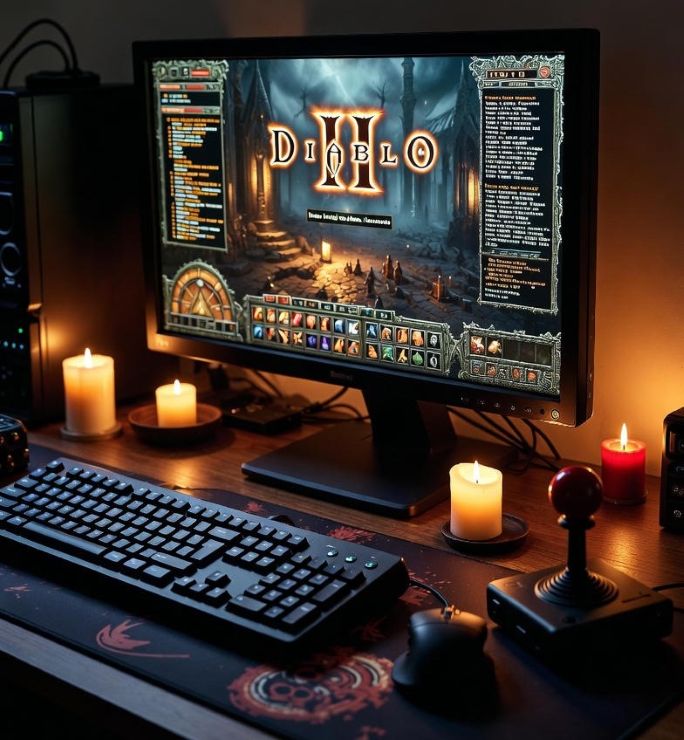
 Video game music now reaches millions of listeners outside the games where it was first created. Streaming platforms, social media clips, and fan playlists have turned once-background soundtracks into cultural touchstones. Few games show this shift more clearly than Diablo II, a title whose dark tones still echo across modern music spaces.
Released in 2000, Diablo II arrived with a soundscape that felt different from most games of its time. The music was slow, tense, and grounded in mood rather than melody. As players traded gear, shared builds, and continued to buy items for Diablo 2 through platforms like Yes Gamers, the atmosphere of the game stayed alive far beyond the original release window. The music traveled with it.
Why Diablo II Still Sounds Modern
Diablo II avoided loud themes and heroic choruses. Instead, it leaned on ambient layers, soft percussion, and folk-inspired strings. Each town track felt uneasy but familiar. Each dungeon track created pressure without demanding attention. This style fits modern listening habits surprisingly well.
Today, ambient and dark fantasy music dominate many gaming and work playlists. Diablo II’s soundtrack feels at home there. It plays well in the background, yet still carries emotional weight. That balance explains why tracks from a game released over two decades ago continue to resurface on streaming platforms.
Loot, Markets, and Memory
Player marketplaces play a quiet role in keeping game music relevant. When people return to a game to trade, optimize characters, or complete builds, they reconnect with its sound. The music becomes part of the transaction loop, even if players do not think about it directly.
Fans who revisit Diablo II through trading communities often stream the soundtrack while browsing gear or planning runs. Over time, that habit turns into nostalgia-driven listening. The music separates from the game and becomes a mood on its own. Searching for a rare rune and listening to a familiar track creates a strong emotional loop.
Streaming, Remixes, and Dark Fantasy Playlists
Game soundtracks now live second lives online. Diablo II tracks appear in dark fantasy playlists, tabletop role-playing streams, and even study mixes. Content creators remix and extend these tracks, adding modern production touches while keeping the original feel.
This remix culture keeps older music flexible. It adapts to new platforms without losing its identity. Many listeners discover the soundtrack without ever playing the game. They associate the sound with atmosphere rather than mechanics. That shift shows how game music has crossed into wider culture.
Ambient Influence on Modern Games
Modern developers have clearly studied this approach. Many action role-playing games now favor restrained, ambient scores over dramatic themes. Music reacts to space and tension rather than constant action. Diablo II helped set that tone.
The success of these soundscapes proves that subtle music lasts longer. It avoids fatigue. It supports memory instead of overwhelming it. That design choice makes older soundtracks easier to reuse, remix, and revisit.
Why Marketplaces Matter to Music Culture
Marketplaces do more than move virtual items. They keep players engaged with older titles. Continued engagement means continued exposure to the soundtrack. When players return year after year, the music remains current through use, not marketing.
Communities built around Diablo II trading often share playlists, stream sessions, and nostalgia clips. Discussions about builds blend with discussions about atmosphere. At that point, music becomes part of the shared language.
Even a simple search related to buy items for Diablo 2 can lead players back into forums, streams, and videos where the soundtrack plays quietly in the background. That repeated exposure matters.
Explore more gaming features. Read also Unleashing the Power of Music: How League of Legends’ Roll Substitute is Revolutionizing the Game.
From Game Asset to Cultural Artifact
Game music no longer stays locked inside the software. It moves freely across platforms and generations. Diablo II’s soundtrack shows how strong atmosphere, paired with long-term player engagement, can turn background audio into a lasting cultural artifact.
As long as players continue to trade, stream, and revisit older games, their music will survive. The desire to buy items for Diablo 2 today connects directly to why its sound still feels alive. The marketplace keeps the memory active, and the music keeps the mood intact.