

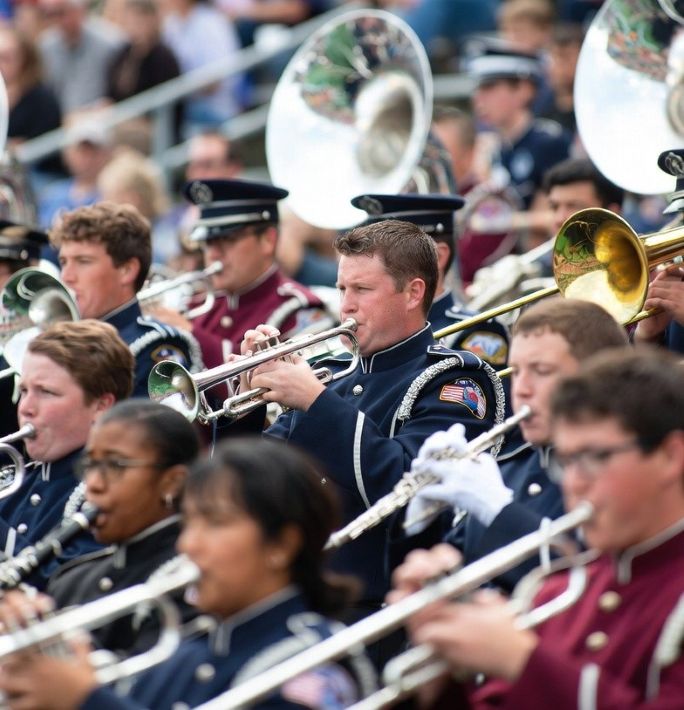
The right theme song or stadium chant can turn a routine match into a shared cultural moment.
Studies in sports psychology show that music can raise heart rates and heighten anticipation before a single play begins. Long before kickoff, tipoff, or first pitch, viewers are already feeling something. That emotion often starts with sound. The right theme song or stadium chant can turn a routine match into a shared cultural moment.
Modern coverage, including platforms such as Sports (스포츠중계), relies on carefully crafted audio to set the tone. From the first seconds of a broadcast intro, music signals importance. It tells fans that what they are about to watch matters. A bold brass theme can suggest tradition and legacy. A pulsing electronic beat can signal speed and youth. Before commentators even speak, the soundtrack has framed the story.
Iconic Themes That Define Leagues
A fan who hears the same intro year after year builds a connection that goes beyond the game itself.
Some sports themes are instantly recognizable. The NFL on Fox theme, composed by Scott Schreer, has become synonymous with Sunday football in the United States. Its triumphant horns create a sense of scale and spectacle. Meanwhile, NBC’s “Roundball Rock,” written by John Tesh, remains one of basketball’s most beloved broadcast themes. Even years after its debut, fans associate it with intense playoff battles and dramatic finishes.
Global football has its own anthem culture. The UEFA Champions League anthem, adapted by composer Tony Britten from Handel’s “Zadok the Priest,” turns every match into a grand ceremony. When that choir begins to sing, players line up with visible focus. Viewers at home feel it too. The music signals prestige and history.
These themes do more than entertain. They create continuity. A fan who hears the same intro year after year builds a connection that goes beyond the game itself. The soundtrack becomes part of memory. A last-second goal or a championship celebration is forever tied to that music.
The Power of Stadium Sound
Inside the arena, music works differently. Stadium DJs and sound engineers react in real time. Short bursts of songs after a home run or a three-pointer amplify the crowd’s response. Chants, drumlines, and fight songs bind thousands of strangers into one voice.
Consider college football in the United States. Fight songs played by marching bands create a sense of identity and rivalry. In European football, supporter chants often carry decades of history. These organic sounds blend with the broadcast feed, giving viewers at home a taste of the live atmosphere.
A well-produced sports broadcast uses ambient sound to maintain energy without overwhelming the narrative.
Producers carefully balance this audio. Too much crowd noise can drown out commentary. Too little can make a packed stadium feel flat. A well-produced sports broadcast uses ambient sound to maintain energy without overwhelming the narrative. The goal is immersion. Viewers should feel as if they are sitting in the stands.
Streaming and the New Audio Identity
Streaming platforms are reshaping how fans experience live games. Traditional networks once owned the signature themes of major leagues. Now, digital platforms experiment with shorter intros, modern beats, and personalized audio options.
Services such as Amazon’s coverage of the NFL have introduced updated theme music and alternative commentary feeds. Some streams allow viewers to choose between standard commentary and analytics-driven discussions.
Music cues are often more subtle, designed for audiences who may be watching on phones or tablets rather than large televisions.
This shift changes the rhythm of coverage. On social media, highlight clips often include custom music overlays tailored for quick sharing. The soundtrack is no longer fixed. It can be edited, remixed, and redistributed within minutes. That flexibility creates new opportunities for branding, but it also challenges tradition.
Shorter Attention Spans, Faster Intros
Digital audiences expect speed. Long orchestral openings are sometimes replaced with punchy, ten-second stings. Graphics animate quickly. Beats drop fast. The aim is to capture attention before viewers scroll away.
At the same time, leagues understand the value of legacy themes. Many keep their classic melodies for major events like finals or championship games. The mix of old and new reflects a balance between heritage and innovation.
Emotion as a Production Tool
Sound design teams treat music as a storytelling device. A slow, dramatic build before kickoff can raise tension. Silence before a crucial free throw can heighten suspense. Then, when the ball swishes through the net and the music hits, the release feels stronger.
Commentators also respond to audio cues. A swelling theme under a highlight montage encourages more passionate calls. Producers time replays to musical accents, turning routine plays into cinematic moments. In this way, music shapes how fans remember games.
Music and sound cues are adjusted to keep engagement high.
As streaming grows, platforms such as Sports continue to refine their audio approach. They analyze viewer data to understand when fans tune in and when they drop off. Music and sound cues are adjusted to keep engagement high. The emotional arc of a game is supported by deliberate audio choices.
READ ALSO: The Music Streaming Platform ‘Spotify’ Presents Music Contents For League of Legends Fans
Conclusion
Great games are defined by skill and drama, yet the soundtrack gives them emotional color. From iconic league themes to spontaneous stadium chants, sound turns competition into spectacle. As technology evolves, each sports broadcast must balance tradition with innovation. Whether through classic orchestras or modern digital beats, Sports will continue to rely on music to connect fans to the moments that matter most.